
Pandavleni Buddhist Caves: Sculptures, Inscriptions And Sophisticated Water Management System
A. Sutherland - AncientPages.com - Pandavleni (Pandav Leni) Caves were built from the 1st century BC to the 2nd century AD. They form a large complex of the 24 early Buddhist caves, of which some contain numerous chambers.
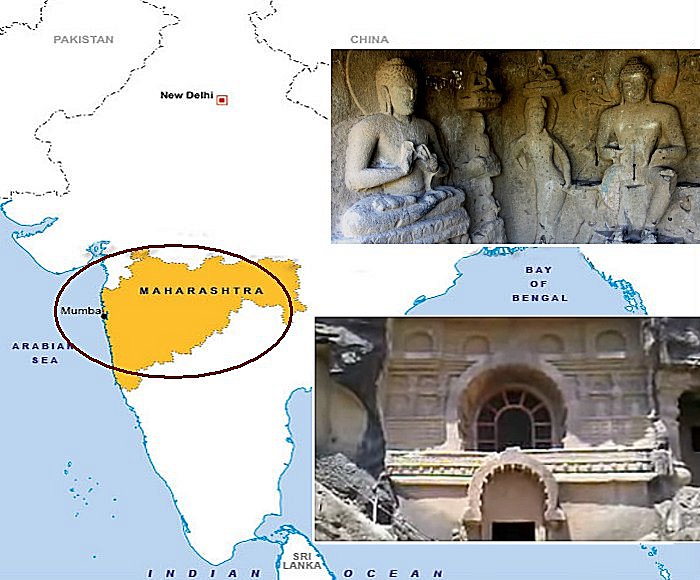
They are located approximately 8km south of the city of Nashik, in the western state of Maharastra, India. The history of Nashik dates back to prehistoric times and excavations carried out in the area confirmed that people lived om the banks of the river Godavarifrom the Chalcolithic age dating back to about 1,400 – 1,300 BC.
These rock-cut caves have beautiful pillared entrances; in total, caves contain 27 inscriptions in Brahmi script.
Pandavleni Caves are Hinayana Buddhist caves; there are many different schools and traditions of Buddhism, and these schools are often divided into the three Yanas (meaning 'Vehicles' or 'Paths'). These three are: the Hinayana, Mahayana and Tantrayana.
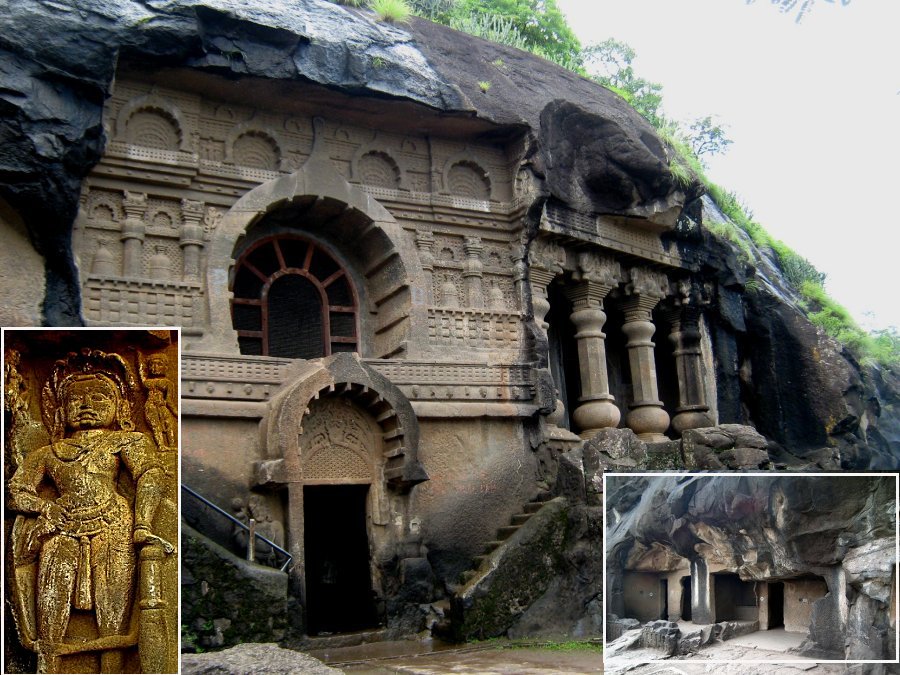
The caves served as monasteries (‘viharas’) for the disciples to meet, listen to sermons and meditate.
Some of Pandavleni caves are interconnected by stone cut ladders. There are also rock-cut water tanks once used by Buddhist monks. It is an ancient and very sophisticated water management system accompanied by several skillfully chiseled out of solid rock water tanks; these tanks are still functioning.
India's tradition of establishing water tanks is very old and represents a masterpiece of engineering.
In ancient times, the temple tank in India, always had water, even when all other sources had dried up.
See also:
Ajanta Caves: Incredible Accomplishment Of India’s Ancient Stonecutters
Gigantic Kailasa Temple Emerging From A Mountainside: Engineering Marvel Of India’s Master Builders
The main cave of the Pandavleni complex has a beautiful stupa (‘Chaitya’ or 'prayer hall') and almost all rock-cut chambers have their own unique carvings. There are large idols of Lord Buddha and icons of Bodhisattva (enlightened beings who have put off entering paradise in order to help others attain enlightenment.)
Two of all caves are particularly interesting; they have carvings, animal figures and dice boards once engraved into stone floors by monks who lived there. The inscriptions on the walls of the caves also describe local kings.
According to one of many ancient legends, Pandavas, the five sons of Pandu, a great warrior, described in a Hindu epic, Mahabharata, made these caves, while hiding away from their enemies.
However, historical facts and inscriptions found in the caves confirm that the city of Nashik, where the caves are located, in that period was ruled by 3 kings, who not only supported the building of the caves, but also local landlords and merchants, donated huge sums for their development.
The caves’ more ancient name is Trirashmi (“triple royal”) Caves.
Written by – A. Sutherland AncientPages.com Staff Writer
Copyright © AncientPages.com All rights reserved. This material may not be published, broadcast, rewritten or redistributed in whole or part without the express written permission of AncientPages.com
Expand for referencesMore From Ancient Pages
-
 Sacred Medicine Bundle With Relics Of The First Ancestors Or Given By The Gods
-
 Pre-Columbian Americans Mastered Electricity – Ancient Inscription And Document Reveal Proof Of Advanced Ancient Technology
-
 Medieval Friars Were ‘Riddled With Parasites,’ Study Finds
-
 Cup Of Jamshid – Holy Grail Of Ancient Persia Offered Immortality And Visions Of The Future
-
 Rediscovery Of Lost Tombs And Quarries On A British Military Base In Cyprus
-
 Intriguing Connection Between Ancient Curse Tablets And The Book Of Revelation Discovered
-
 Kussara – Ancient Lost City Of The Old Hittite Kingdom
-
 8,000-Year-Old Nephrite ‘Frog-Like’ Swastika In Bulgaria’s Neolithic Settlement – Unearthed
-
 Legend Of The Loretto Chapel Staircase – Unusual Helix-Shaped Spiral Construction
-
 The Third Greatest Fire Temple That Existed In Ancient Iran’s Sassanid Age – Unearthed
-
 41,500-Year-Old Ivory Pendant Is The Oldest Evidence Of Humans Decorating Jewelery In Eurasia
-
 On This Day In History: The Mongol Conqueror Genghis Khan Died – On August 18, 1227
-
 What Did Ancient Mesoamerican Civilizations Know About Unusual Powers Of The Mind?
-
 Story Behind The Two Keys On Vatican’s Flag
-
 Ankou: Breton Angel Of Death That Delivers Souls To The Underworld
-
 Hundreds Of Ancient Ceremonial Sites Discovered Near Aguada Fénix – The Largest And Oldest Maya Monument In Mexico
-
 Rapa Nui’s Population: Growth And Decline – Lesson For Our Future?
-
 2,000-Year-Old Ruins In Mary Magdalene’s Town Of Magdala On The Shore Of The Sea Of Galilee
-
 Giant Pre-Hispanic Jar Used To Make Mexican Traditional Corn Beer
-
 Magnificent ‘Sword Pyramid’ Lost By A Sutton Hoo-Era Lord Discovered In Norfolk

